The Judgment of Paris
The Judgment at 50
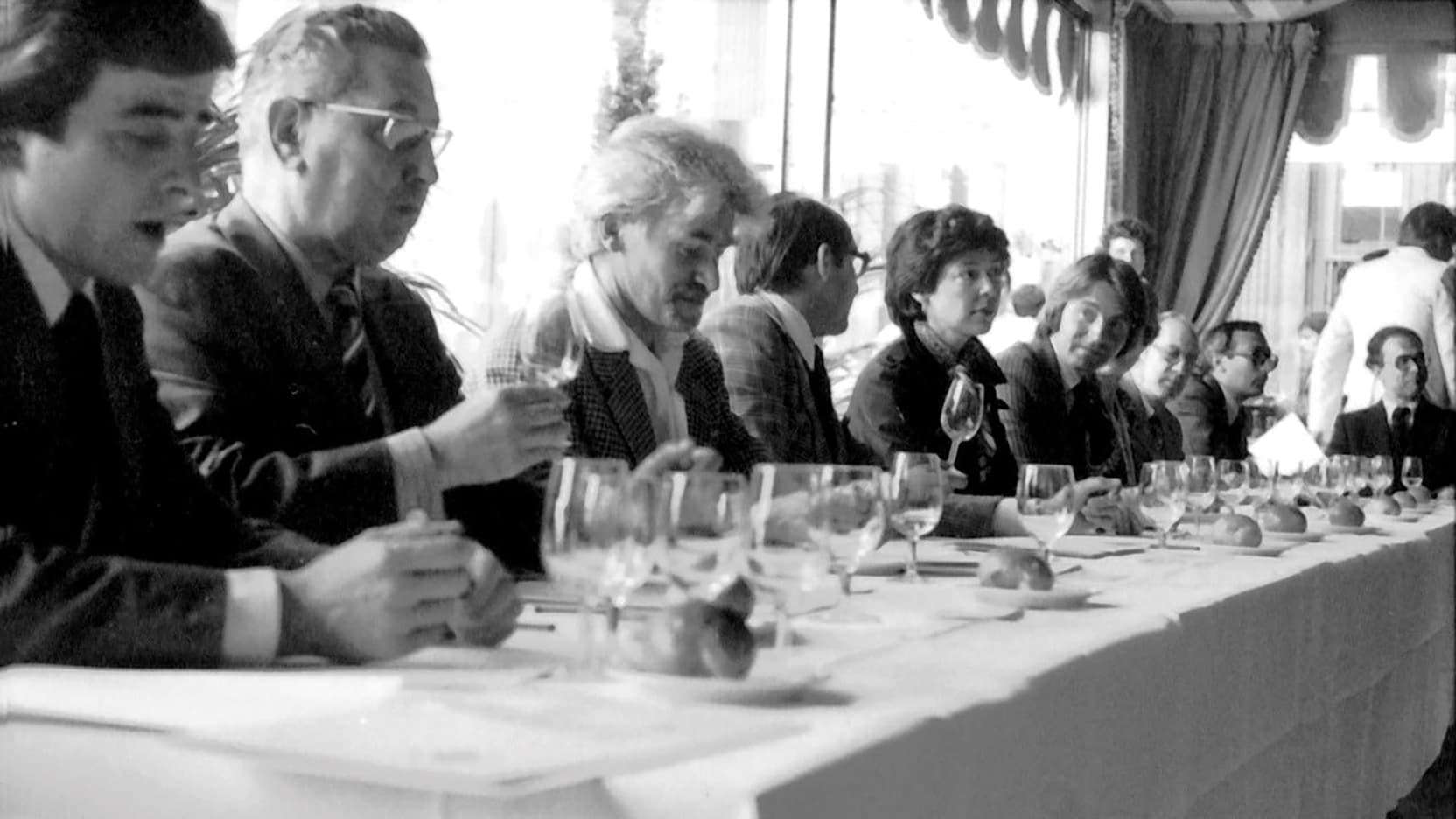
An eye-opening blind tasting
Fifty years ago in Paris,California wine demonstratedits world-class potential
Visitors to Napa Valley this year will arrive amidst a pair of important anniversaries. While America celebrates its 250th birthday, California wine is celebrating 50 years since the tasting that became known as the “Judgment of Paris” shined a light on the state’s progress and promise.
Held on May 24, 1976, the tasting arranged flights of California Chardonnays and Cabernet Sauvignon–based blends and lined them up against counterparts from Burgundy and Bordeaux. The late Steven Spurrier, who organized the tasting, often said he wasn’t trying to change the wine world. He was hoping for a fun event to show the French how good California wines were. Spurrier, an Englishman, fell in love with France and built a successful wineshop in Paris catering to fellow ex-pats, then opened a wine school, L’Académie du Vin, which thrived. (Still open, L’Academie is releasing a book on the Judgment this year.)
That educational spirit inspired the tasting. As a publicity exercise for the school and shop, Spurrier and his American co-worker Patricia Gallagher decided to host a tasting of California wines, timed in 1976 to celebrate the U.S. bicentennial—after all, France had helped America win independence. They invited Parisian media organizations and local wine writers. Only George Taber, Time’s Paris bureau chief (who had taken a course at L’Académie), showed up. The French, with their view of wine frozen in amber, weren’t interested. But that would soon change.
The tasting was blind, to avoid inherent bias, but the setup itself was fundamentally flawed. Spurrier originally told the judges they would be tasting only California wines—then he threw a curveball, mentioning as the tasting was about to begin that there would be French wines too. The judges spent most of the tasting debating the origins of the wines, rather than their quality. There was also the panel format, with each judge rating wines on a 20-point scale, after which their scores were averaged. This obscured the wildly different rankings from each judge. Stag’s Leap earned only two first-place scores, but averaging in its multiple third and fourth places was enough to put it on top. (Odette Kahn, the editor of Le Revue du Vin, who did rank Stag’s Leap first, unsuccessfully demanded her scorecard back, dismayed with the results.)
Afterwards, most wine experts saw the tasting as intellectually interesting, but being aware of its consensus aspect, they also felt its results were hardly earth shattering. American media, however, picked up on Taber’s article. Even this magazine, less than three months old at the time, reported the results with the headline, “California Wines Top French.”
Points of interest
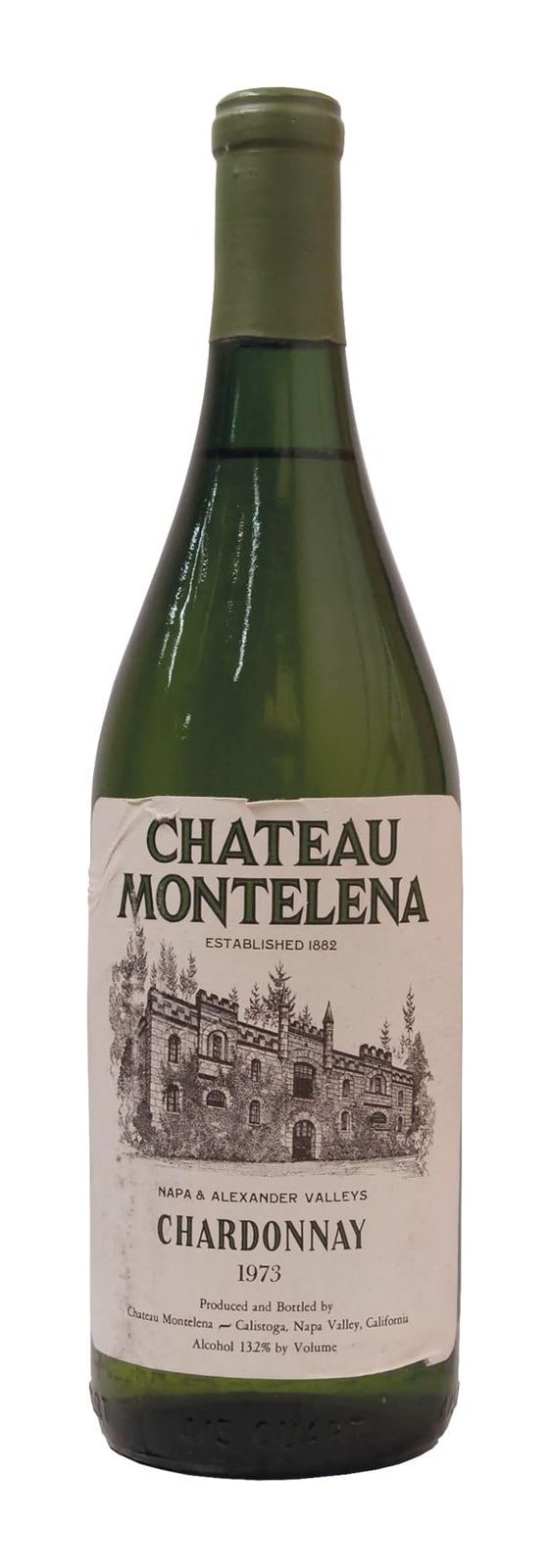
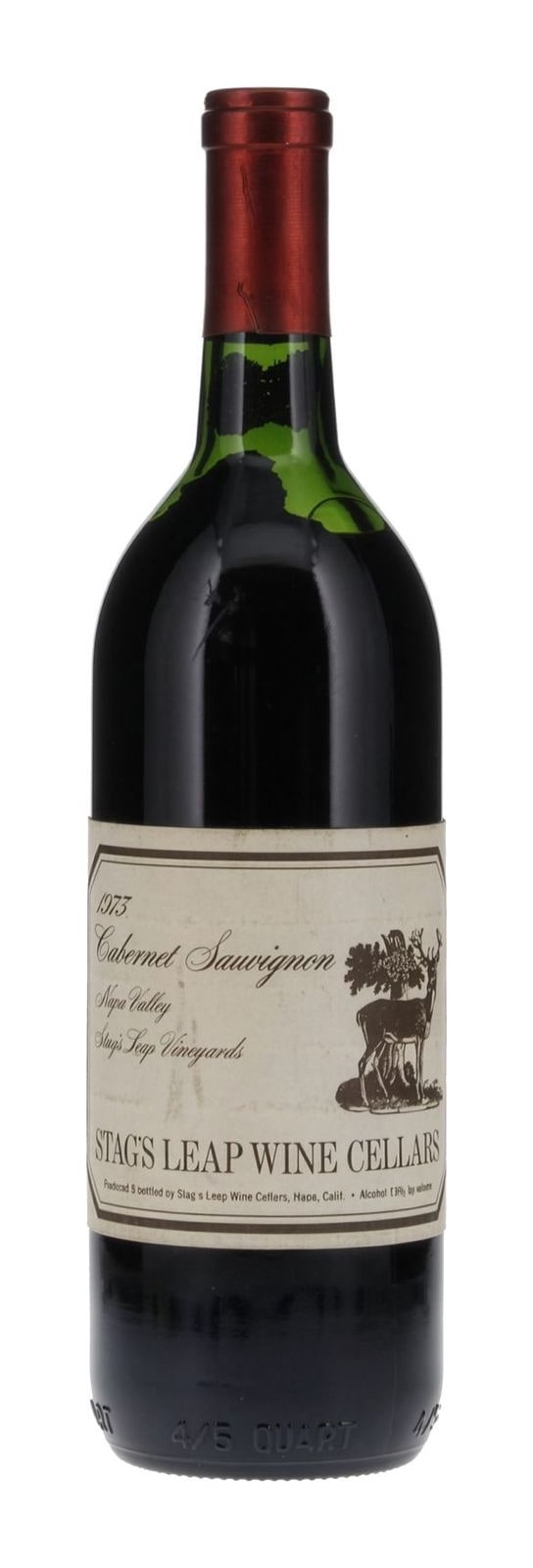
California wineries Chateau Montelena and Stag’s Leap were among the labels to earn acclaim in the much-touted tasting.
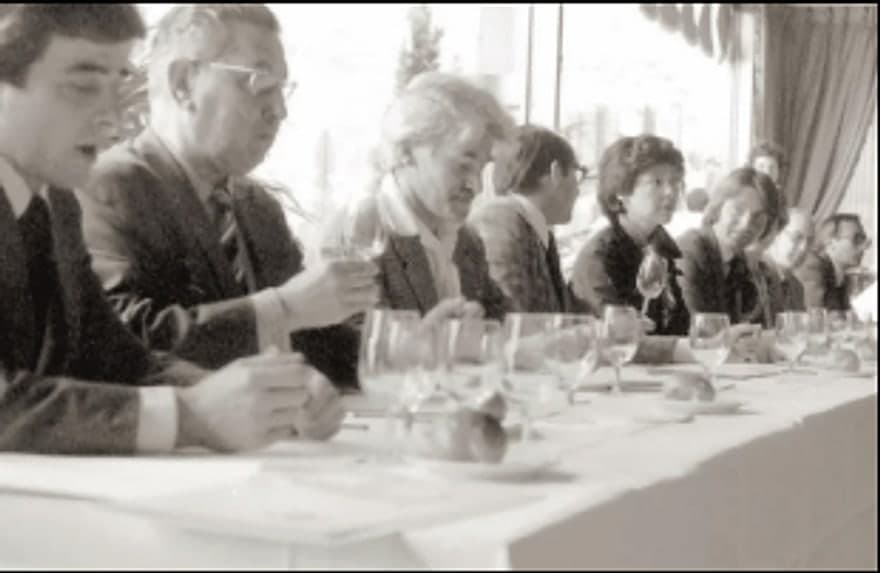
The judges included French vintners, sommeliers and wine writers.
There’s no denying the tasting was a moment. But the reality is that the Judgment of Paris merely called attention to a seismic change that had been building for decades.
Starting after Prohibition, vintners including Louis Martini, Leland Stewart and John Daniel persevered in rebooting California’s wine industry. Innovator Robert Mondavi looked at a valley filled with plum and walnut trees and envisioned an American wine landscape. Following Mondavi’s lead came a new wave including Warren Winiarski and Mike Grgich. Both previously worked for Mondavi before establishing their own wineries with a dream of making the wine revolution happen (perhaps not coincidentally, their wines won the tasting). Baron Philippe de Rothschild first discussed forming a joint California venture with Mondavi in 1970—a strong murmur that the idea of a wine world beyond France had been kindling among the cognoscenti.
The Paris tasting provided a kinetic spark. Opus One formed in 1978. Christian Moueix arrived in Napa around the same time. Soon, in addition to California, wine regions in Australia, Chile and Argentina were being recognized. The through lines continue into California’s modern era. In 2007, Italy’s Antinori family purchased a 15% stake in Stag’s Leap. In 2023, they took full ownership.
History shows how much California wine has changed in the past 50 years. The Judgment of Paris was one key step in furthering the wine evolution. Today the wine world still has appellations, but it doesn’t have boundaries.